Relational design collective
º·☼☺̊̊˚·∞·↔
Workshops & Social Engagement
☾º·
Eco-centred Education
⌂
Research & Writing
☼
Regenerative Design
·↔
Riga & beyond
Relational design collective
º·☼☺̊̊˚·∞·↔
Workshops & Social Engagement
☾º·
Eco-centred Education
⌂
Research & Writing
☼
Regenerative Design
·↔
Riga & beyond

Dwelling in the otherwise
2026
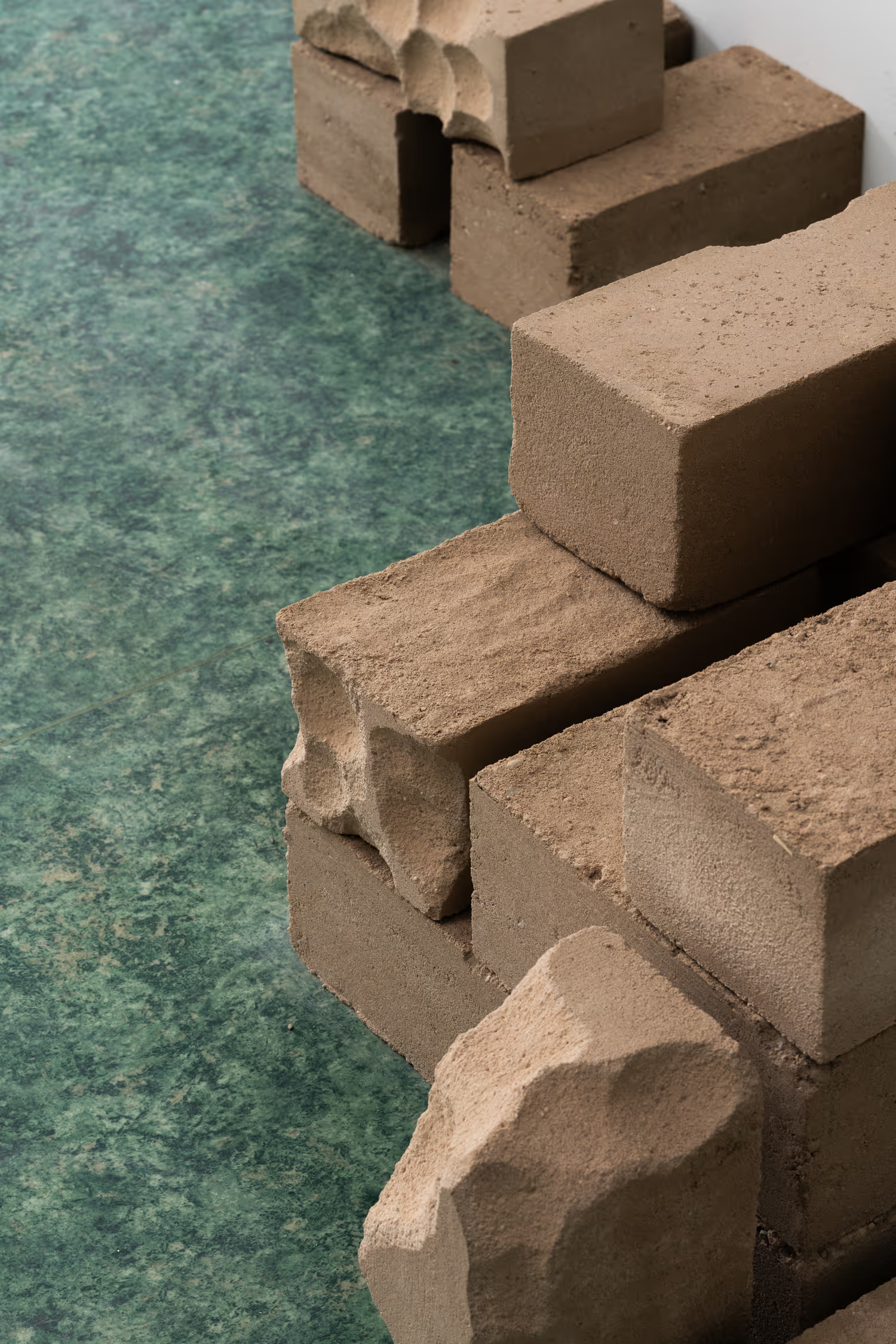
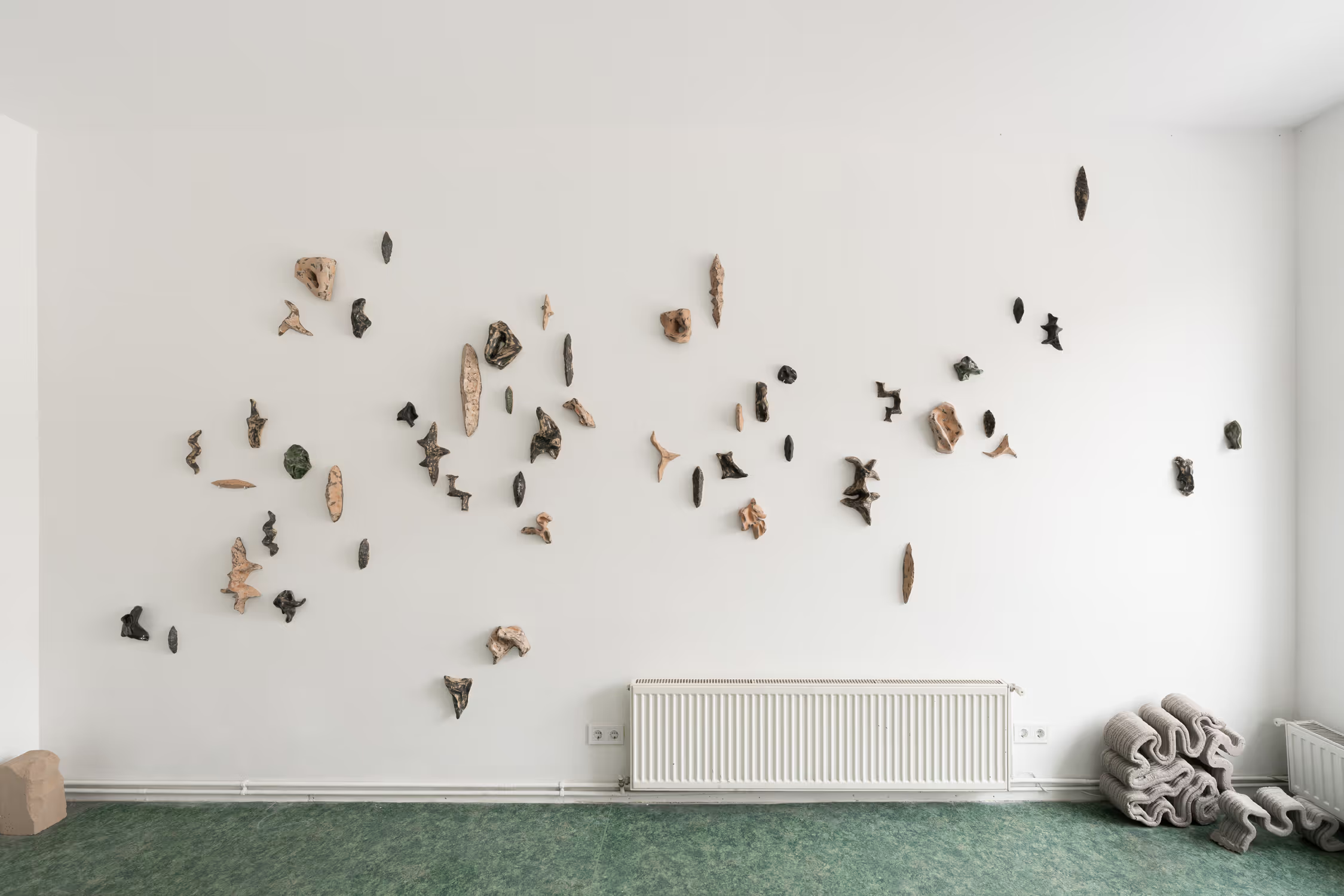
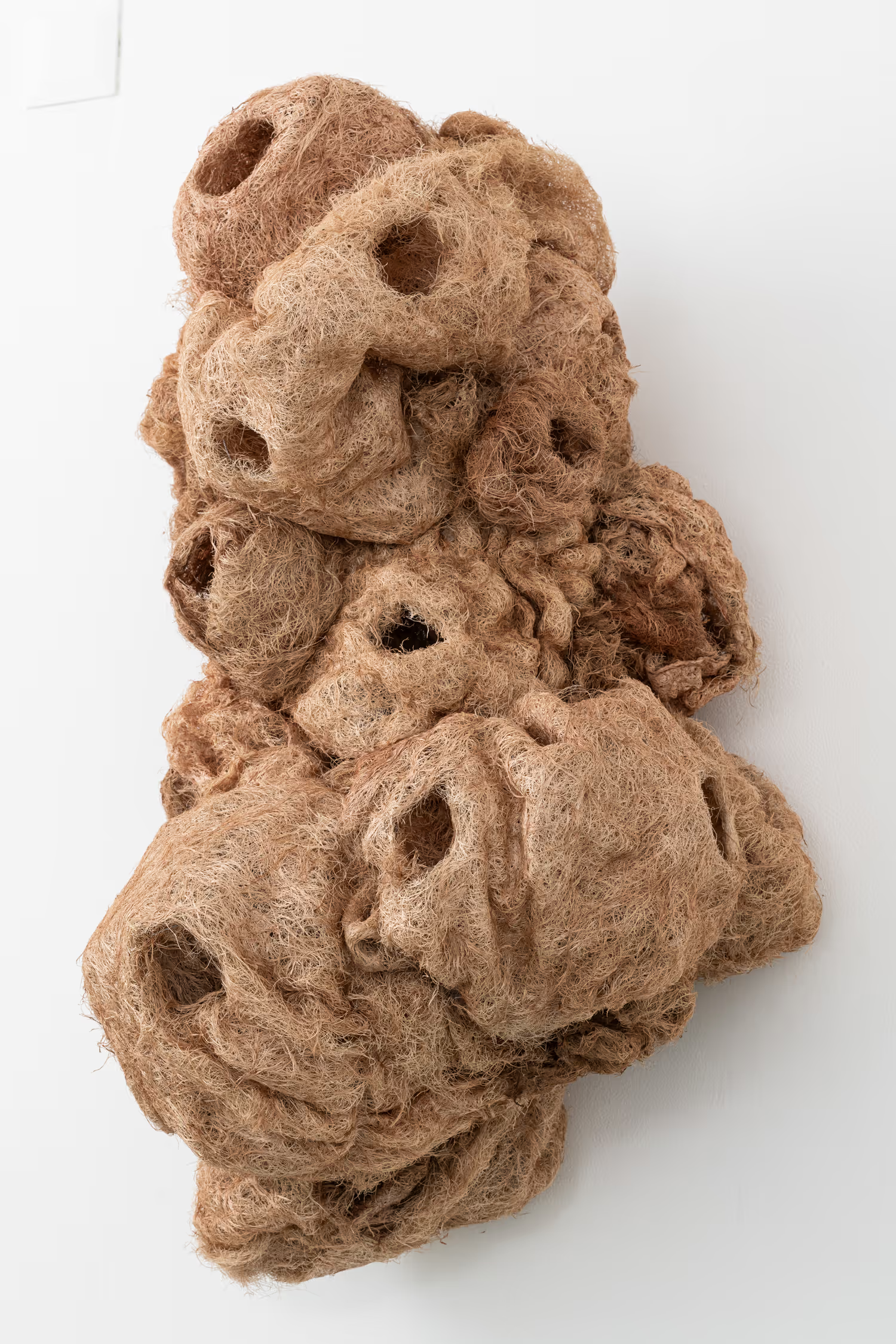
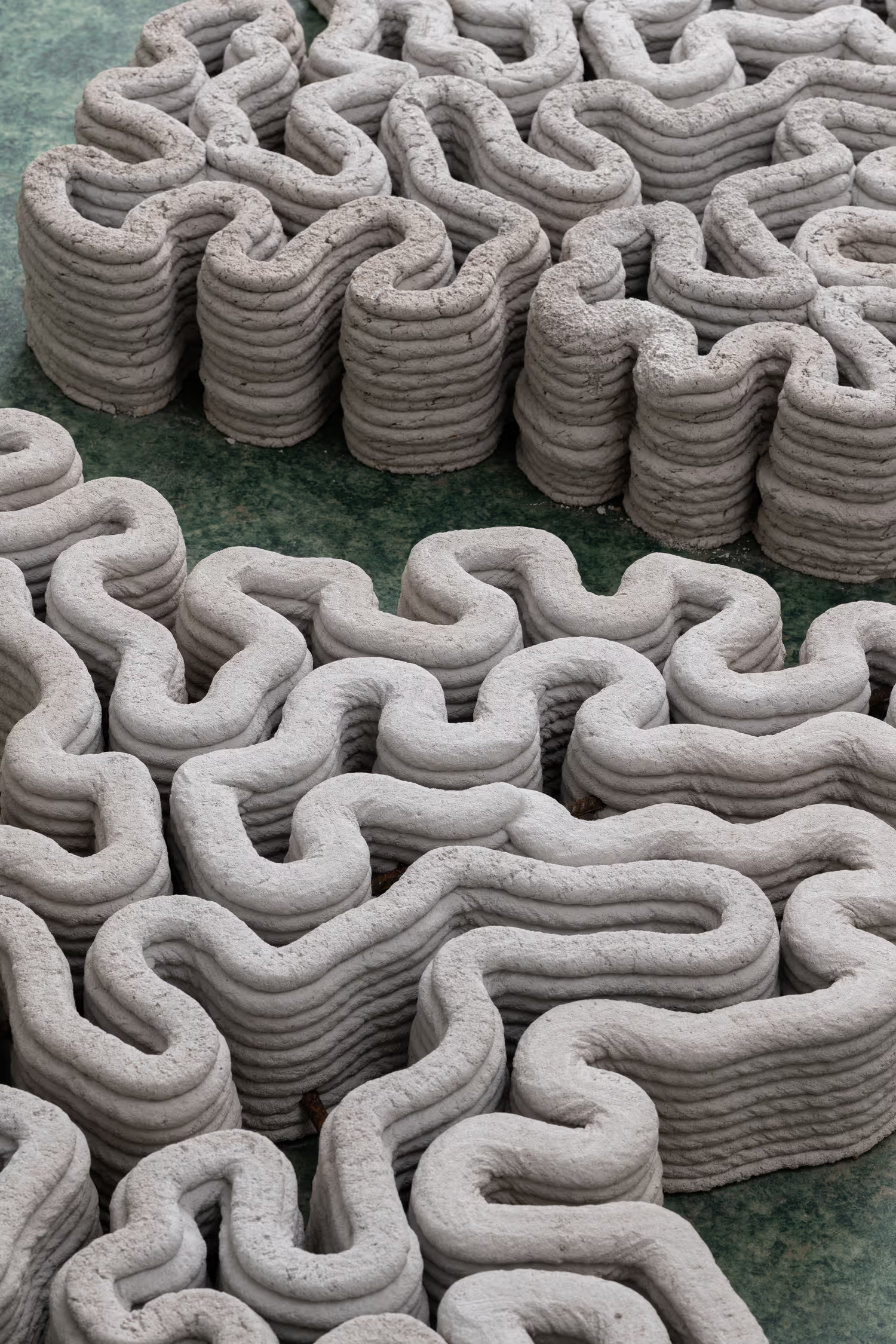
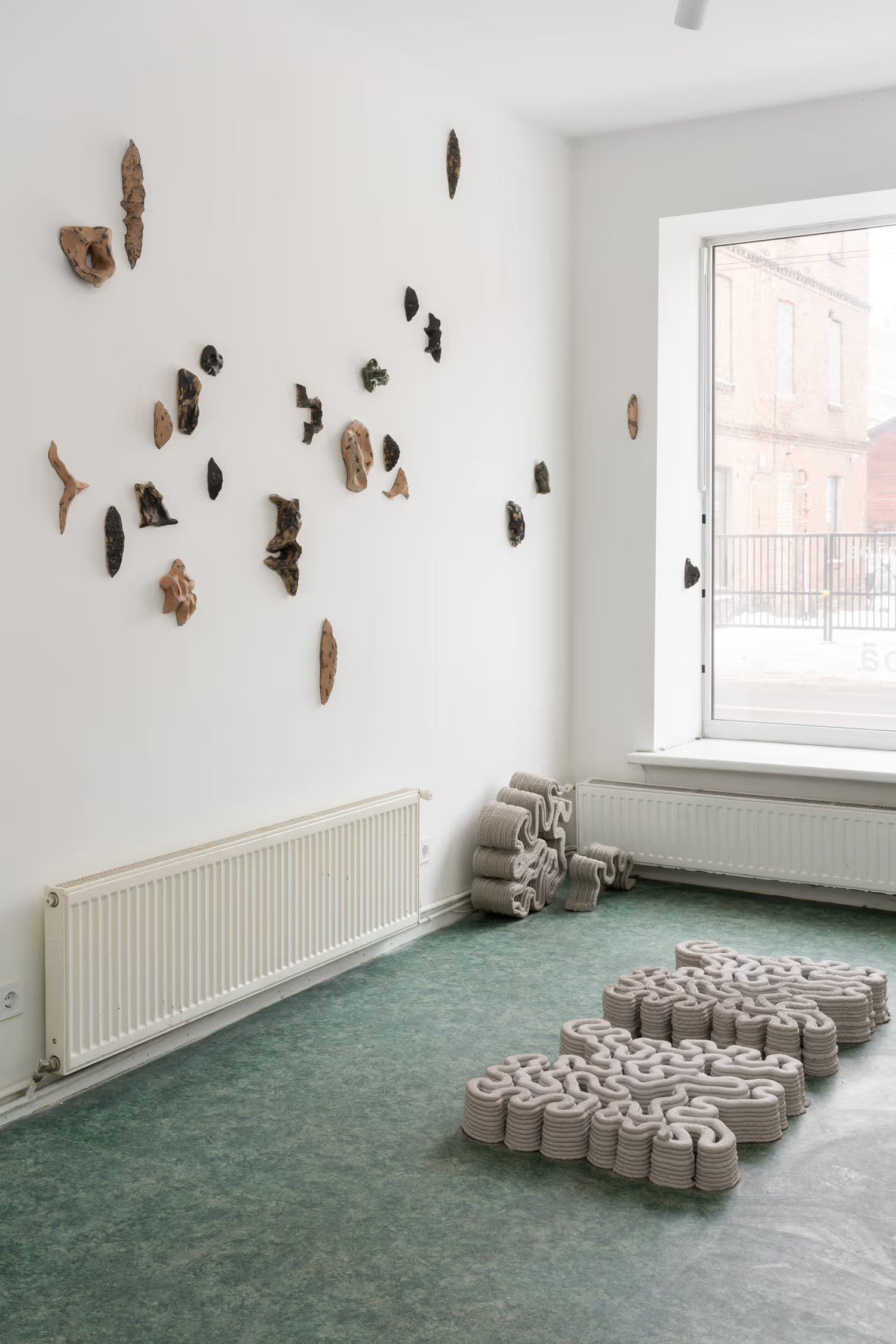
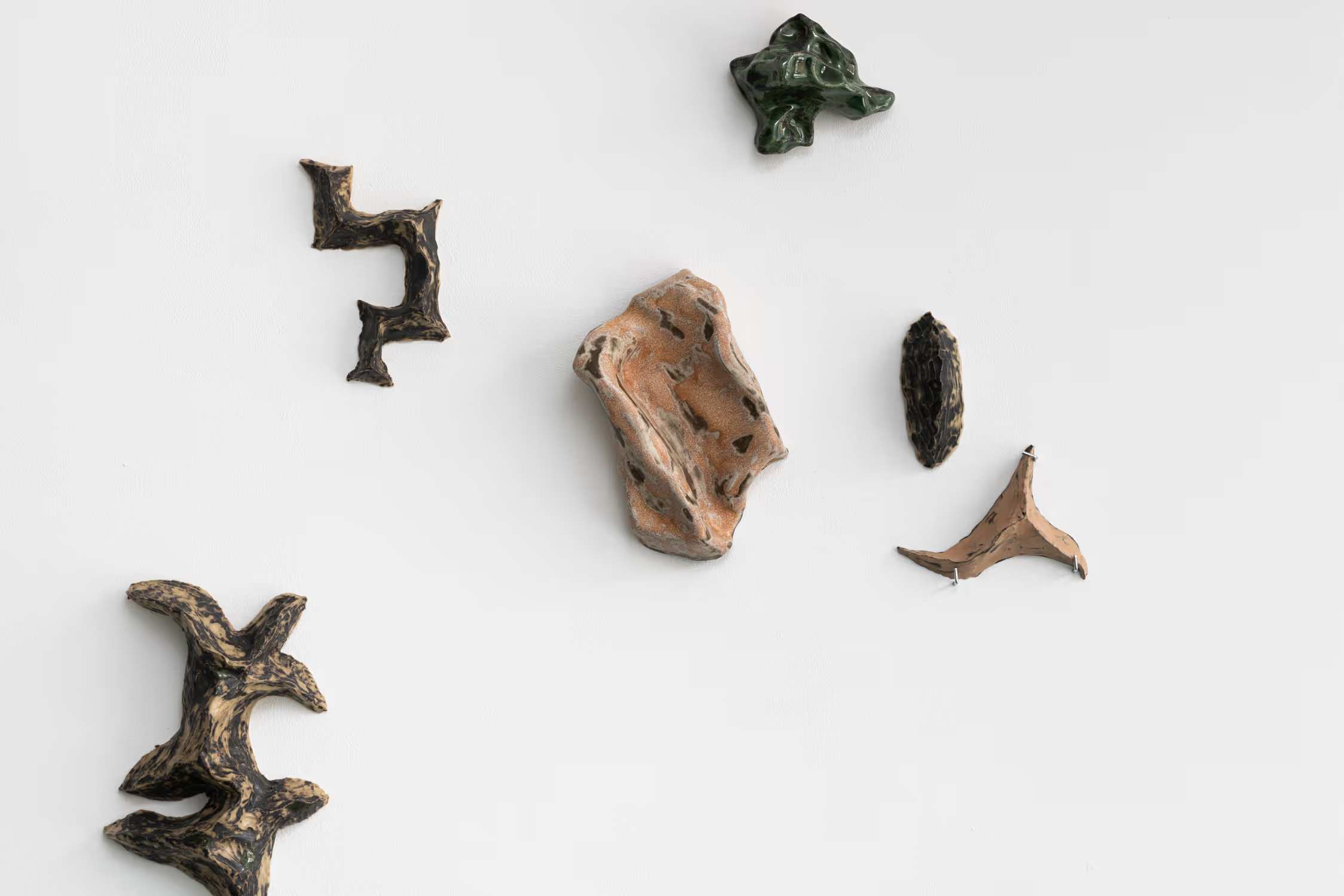
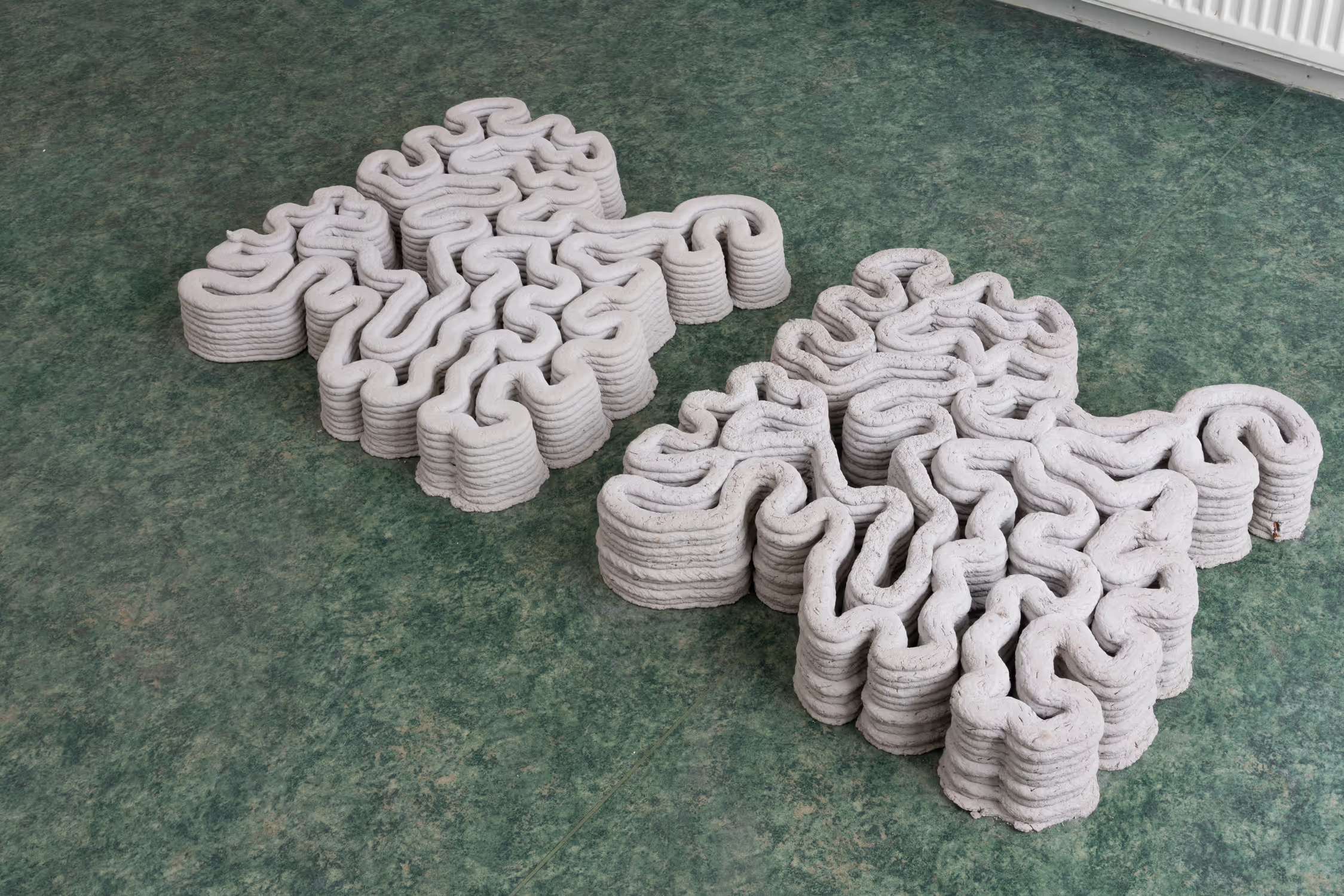
The exhibition features a design installation that challenges an anthropocentric view of the urban environment, foregrounding the speculative experience of a city dweller – a bat. We wanted to lluminate unnoticed urban spaces, tactile landscapes, cracks, and corners, revealing the city as a multilayered, co-inhabited environment.
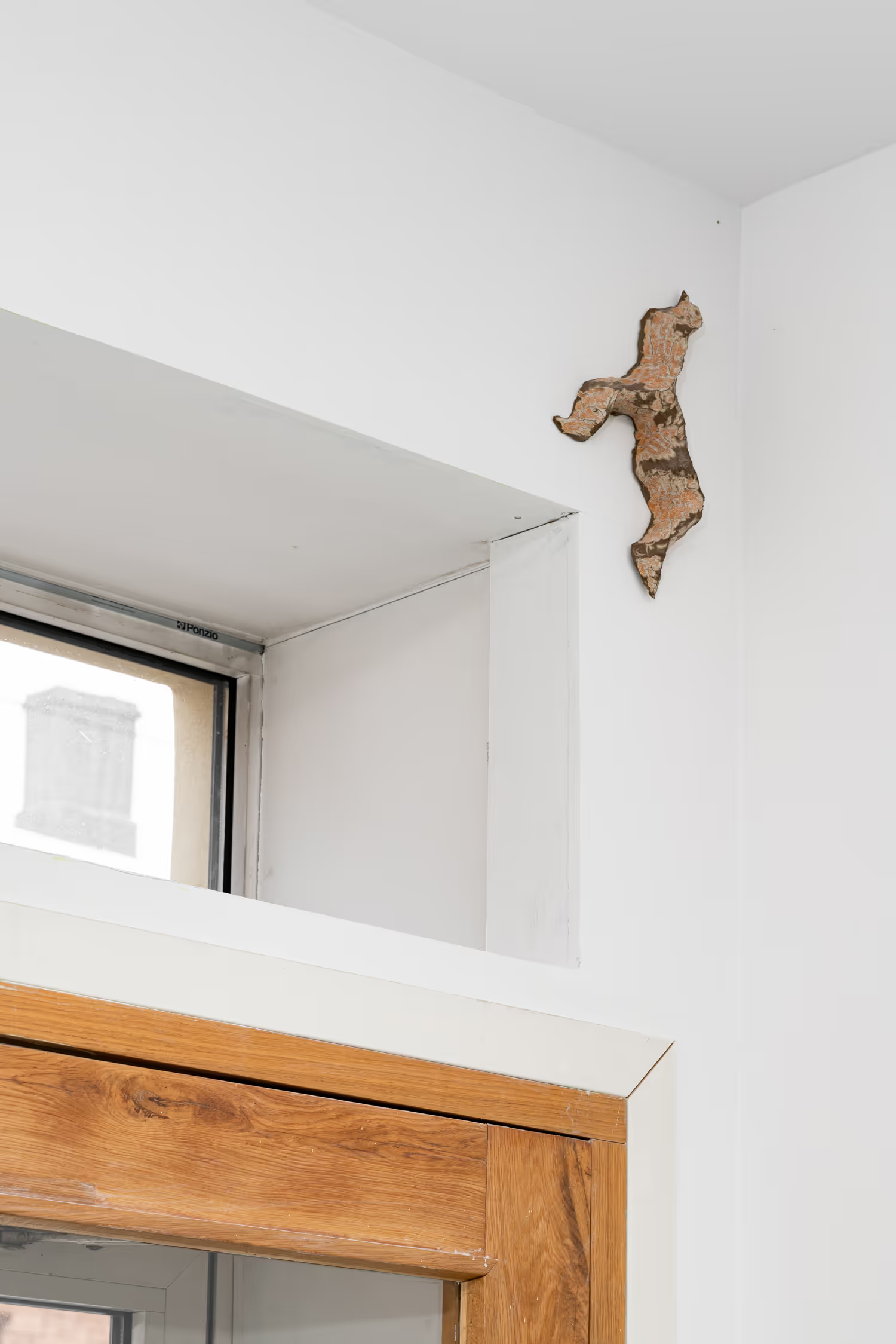
Under the influence of weather conditions and urban processes, the built environment imperceptibly decays. Unforeseen changes slowly emerge on the smooth surfaces created by humans. Although cracks may seem undesirable, they often provide shelter for members of other species. The relationship between bats and cracks highlights dwelling as a process in which marginal places become the centre of the world for someone. The exhibition invites viewers to recognise alternative structures as homes – to see cracks as an ecological value, a liminal state, and a field of research rather than a problem to be solved.
Otherwise – a way of knowing and becoming that arises not through representation or mastery, but through attunement and relationality. Agency is distributed across bodies, materials, forces, and temporalities, allowing new forms of habitation to take shape. Otherwise conceptualised through posthumanist and decolonial works of Arturo Escobar, Vanessa Machado de Oliveira, Donna Haraway, Tom Ingold, Tony Fry, and Bayo Akomolafe.
The exhibition was presented by Part Time Gallery, from January to February, 2026 in Riga.